
The Better Editor
The curated pipeline: idea to book
One managed process — idea to proposal to manuscript to published book — run by a single team that sees the whole board, so the work compounds instead of leaking away in the handoffs.
The curated pipeline is LeBien Ink's single managed process that carries a book from idea to publication — through consultation, a publishable proposal, a developmentally edited (or hostwritten) manuscript, and on toward a publisher. One team handles every stage, which means the choices made early are the ones that pay off later.
Most authors don't start with a missing service. They start with a missing thread. The idea is real, the expertise is deep — but the path from "I have something to say" to "this is a book people will read" runs through four different kinds of work, and almost nobody tells you how those four pieces fit together. The pipeline is that thread. It's the brand tagline made literal: the better editor leads to the better book proposal, and the better proposal leads to the better book.

What the curated pipeline is
It's one continuous process, not a menu of disconnected gigs. A single editorial mind shepherds your book through consultation, proposal, manuscript editing or hostwriting, and the push toward publication — so every stage is built on the judgment of the one before it rather than starting cold.
Think of it less as a product and more as a route map. Each of our four services — developmental editing, the book proposal, dissertation-to-trade-book work, and hostwriting — is a station on that route. You can ride the whole line or board at the stop that fits where your project actually stands. What ties them together is continuity: the same person who reads your idea also reads your proposal, and the same judgment that shaped your proposal shapes the manuscript.
Why one managed process beats four vendors
Because the stages aren't independent. A weak proposal seeds a weaker manuscript; a sharp developmental plan makes later edits faster and cheaper. When one team sees the whole arc, decisions compound. When four vendors never talk, the wins leak out in the handoffs between them.
Picture the alternative. You hire a coach to shape the idea, an editor to fix the draft, a ghostwriter to do some of the writing, and a consultant to advise on publishing — four relationships, four briefings, four people who each see one slice and none of whom owns the result. The proposal writer never learns what the developmental editor flagged. The consultant inherits a manuscript built on assumptions nobody revisited. Every seam is a place for the book to drift.
One team closes those seams. And here's the part that's hard to buy any other way: the person running the pipeline has worked every seat — editorial assistant to publisher — across Harvard University Press, Simon & Schuster, FSG, Hill & Wang, Scientific American, Princeton University Press, and Oxford University Press. Thirty years of seeing how a proposal becomes a book, and how a book finds a list. That's what it means to see the whole board.
The better editor leads to the better proposal, and the better proposal leads to the better book. The pipeline is just that sentence, run end to end.
The stages, idea to book
Four stages carry a project from a first conversation to a published book: idea and consultation, the proposal, developmental editing or hostwriting, and the move toward publication. Each one feeds the next — and each links to the service that does the deeper work behind it.
-
Idea & consultation
Before a word gets edited, we sit with the idea. What is the book really arguing? Who's it for, and what will they pay attention to? We sort out, honestly, whether you have a book — and which route to it fits your subject, your timeline, and your ambitions.
Start the conversation → -
The proposal
Most nonfiction sells on the proposal, not the finished manuscript. So this is where the real bet gets placed. We shape the overview, the comp-title analysis, the chapter plan, and the sample — the document that makes an agent or acquiring editor say yes. Coming from a dissertation? That reframing starts here too.
The book proposal → -
Developmental editing — or hostwriting
Now the manuscript. If you're writing it, developmental editing reshapes the structure, sharpens the argument, and closes the gaps before a reader finds them. If you'd rather not draft it alone, a hostwriter — a collaborative team built around your voice — does the writing with you. Same destination, two ways in.
Developmental editing → -
To publication
A finished manuscript isn't the finish line — getting it into the world is. Three decades on the publisher's side of the desk means we know how acquisition, positioning, and the realities of a list actually work, and we point your book toward the right home for it.
See selected works →
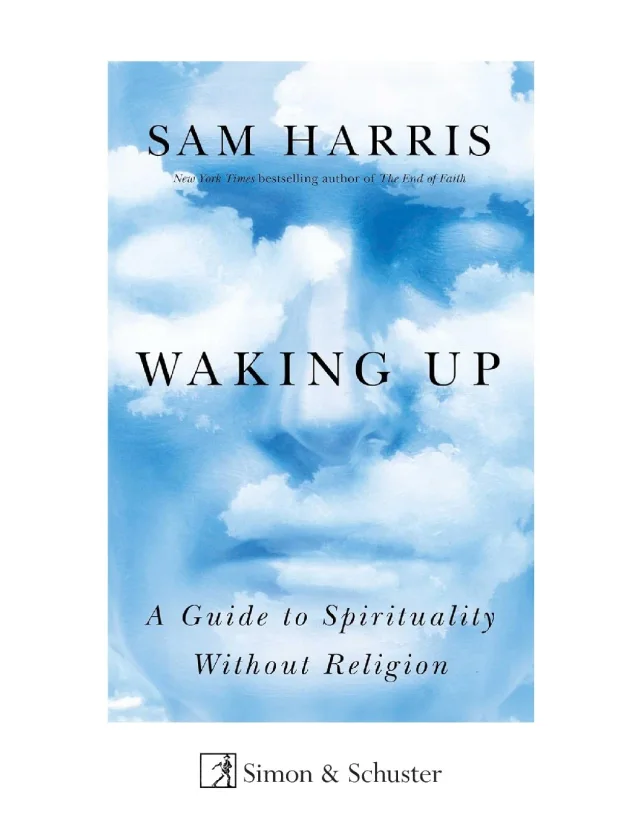 Bestseller
 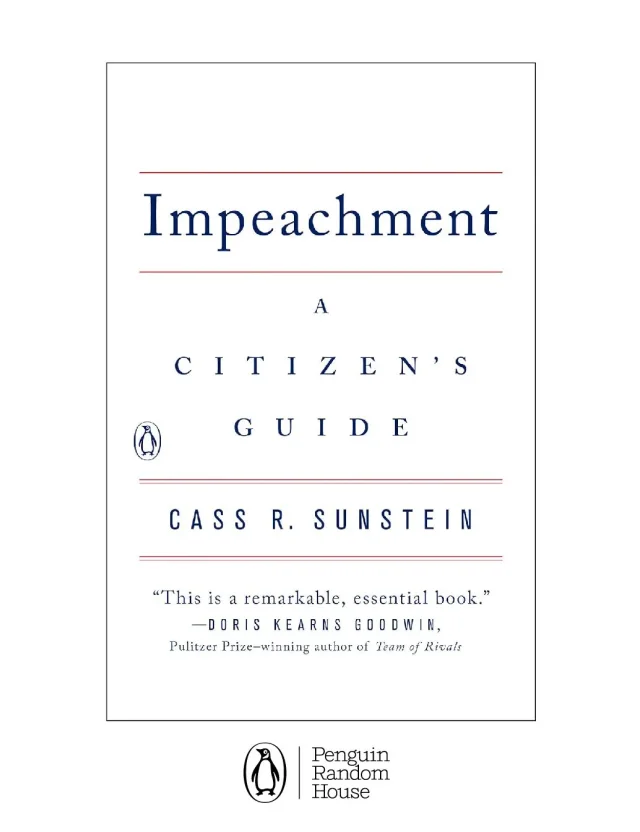 Bestseller
  Bestseller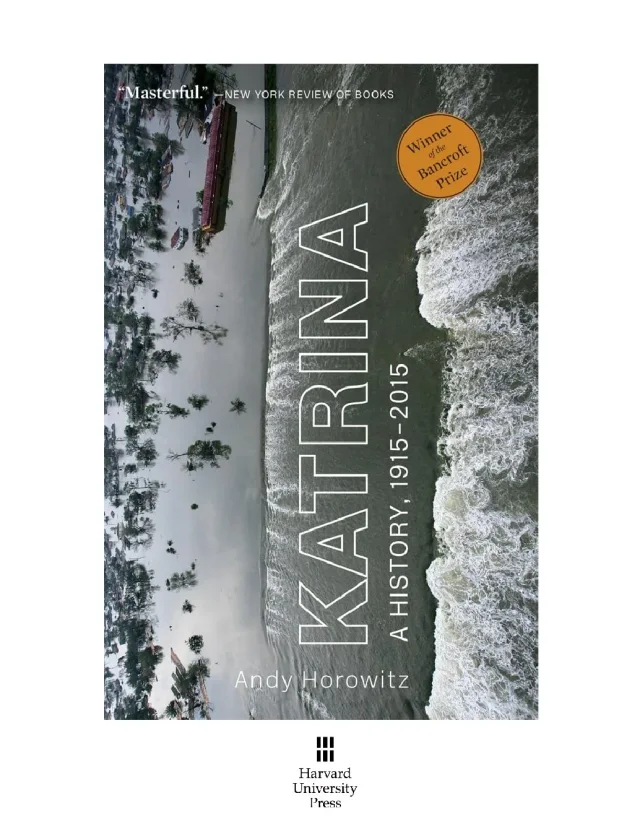
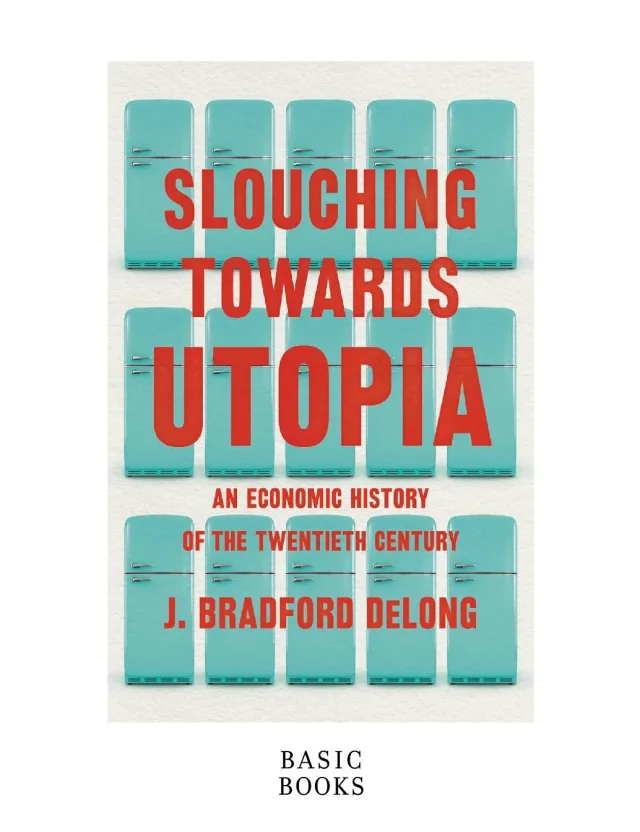
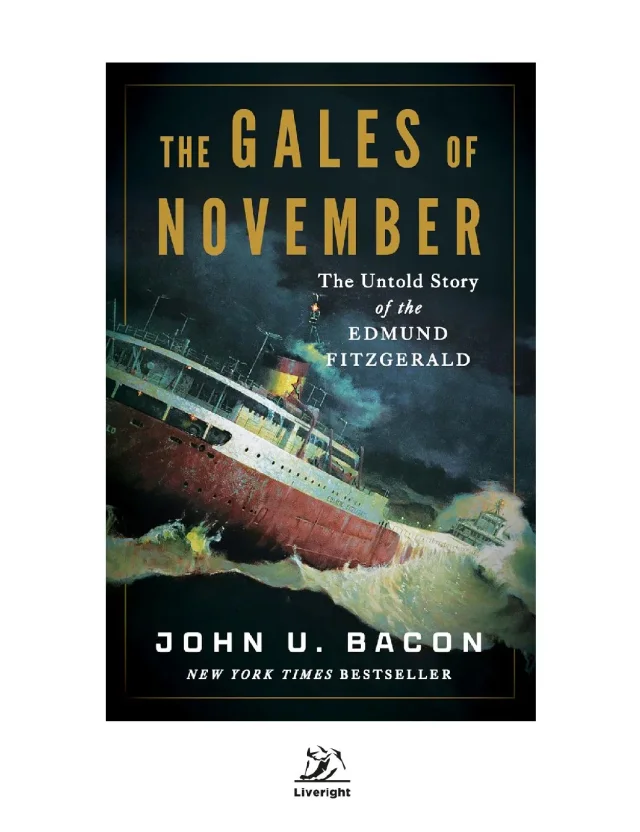
How the pipeline de-risks your book
Publishing is one of the most unpredictable markets there is — nobody can promise how a book will land. What a managed process can do is strip out the avoidable failures: building on a flawed proposal, polishing prose before the structure holds, writing for the wrong reader. Catch those early and you tilt the odds.
De-risking here isn't a guarantee dressed up as a number. It's the quiet work of not wasting your effort. So much of the cost of writing a book is sunk into the wrong version of it — the draft that goes three rounds before anyone asks who it's actually for, the proposal that gets fifteen passes because the comps were never honest. Experienced judgment applied at the front of the line is the cheapest insurance you'll ever buy against that.
And because the same person carries your project across every stage, nothing gets re-litigated at each handoff. The risk you can't control — the market — stays unpredictable. The risk you can control — the soundness of the book itself — gets managed, deliberately, from the first conversation on.
Where you can join — or leave
You're not signing up for the whole assembly line. The pipeline is a map of the full path, and you board wherever your project stands: a raw idea, a stalled draft, a proposal that keeps getting passed on. You can stay through to publication or step off the moment your book no longer needs us.
Some authors arrive with a finished manuscript and a single nagging sense that something's off — they want the developmental edit and nothing else. Some come straight from a dissertation and need the whole reframing, from idea to shelf. Some have the book in their head but no desire to write it alone, and the hostwriting route fits them best. The pipeline bends to the project; the project never has to bend to the pipeline.
Start the conversation
The best way to find out where you'd join is to talk it through. Send us the idea, the draft, the proposal — whatever stage you're at — and we'll tell you, candidly, what the book needs next and which part of the pipeline does that work. You can read more about Thomas LeBien, browse the selected works, or just get started and we'll take it from there.
Questions
The pipeline, answered.
What is the curated pipeline?
Do I have to use the whole pipeline?
Why is one managed process better than hiring four separate vendors?
How does the pipeline reduce the risk of writing a book?
Who runs the pipeline?
Is the pipeline only for academic and expert authors?
One process. Your whole book.
Tell us where your project stands — idea, draft, or proposal. We'll show you the path from here to a published book.
Get Started Today